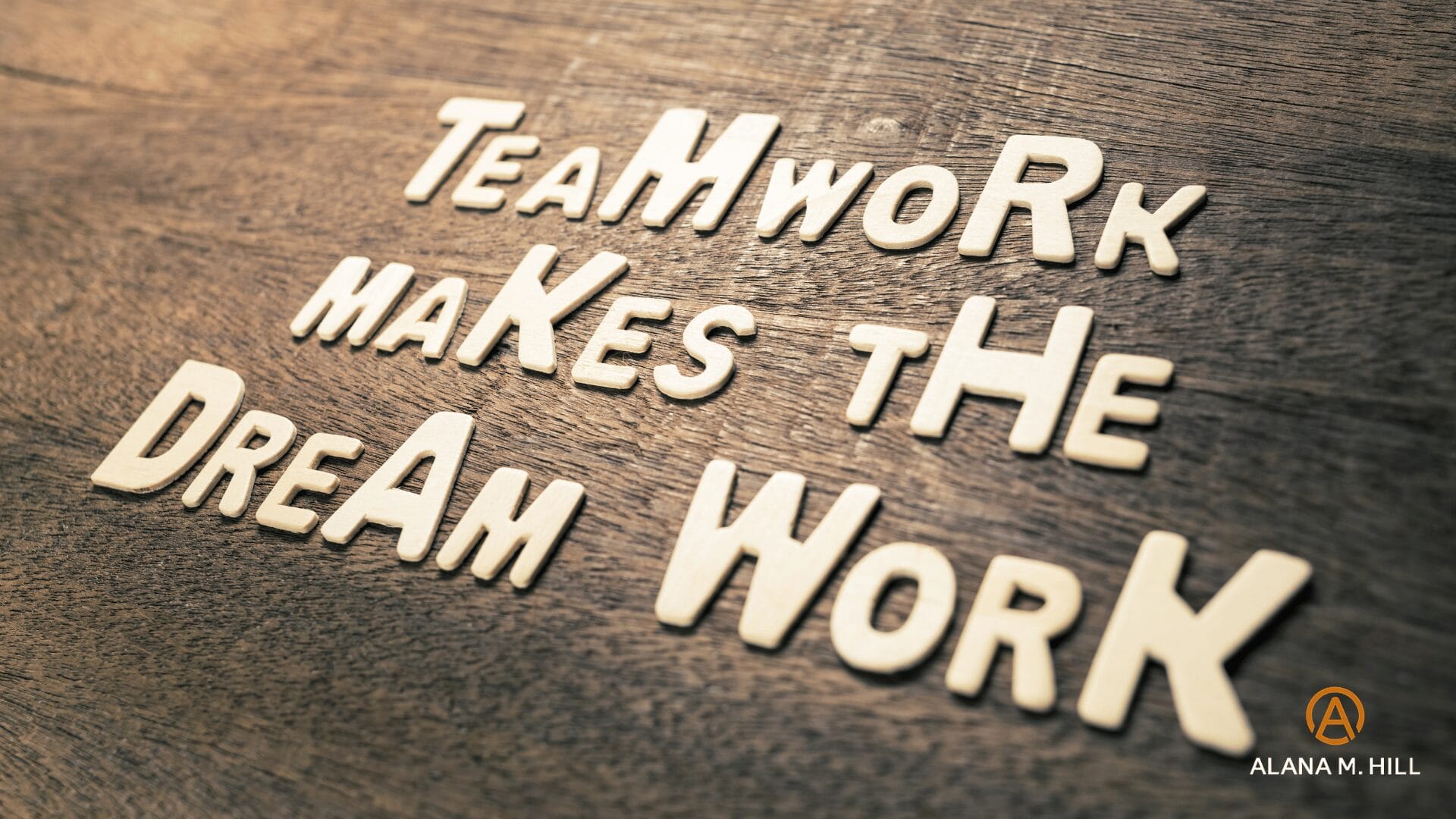
One of the first things we do when building a high-performing team at work is make sure everyone understands how they contribute.
We don’t expect everyone to do the same job. We don’t expect everyone to have the same strengths. But we do expect everyone to bring something of value. Healthy teams aren’t built because one person does everything. They’re built because everyone contributes something that makes the whole stronger.
Somewhere between the office and our front door, though, we often stop thinking that way.
Instead, we quietly allow one person to become the organizer, the planner, the reminder, the cook, the chauffeur, the scheduler, the finder of missing shoes, and the keeper of everyone’s calendar. The rest of the family may appreciate everything that person does, but appreciation is not the same as contribution.
Strong family leadership asks a different question:
How is everyone contributing to the health of our home?
More than helping
One of the phrases my children heard often growing up was, “Go make a contribution.”
Usually, it happened after school. They’d have a snack, and before settling into homework or whatever came next, I’d encourage them to look around the house and find some meaningful way to contribute.
Notice what I didn’t say.
I didn’t hand out a list.
I didn’t assign every task.
I didn’t specify exactly what each person should do.
I simply asked them to make a contribution.
Looking back, I realize I wasn’t just trying to keep the house clean. I was trying to build something much more important. I wanted my children to grow up believing that when you’re part of a team, you look for ways to make that team better.
Contribution isn’t just about doing work. It’s about taking ownership. It’s recognizing that you have something of value to offer and choosing to offer it for the good of everyone else.
That’s a leadership lesson.
A culture is built one habit at a time
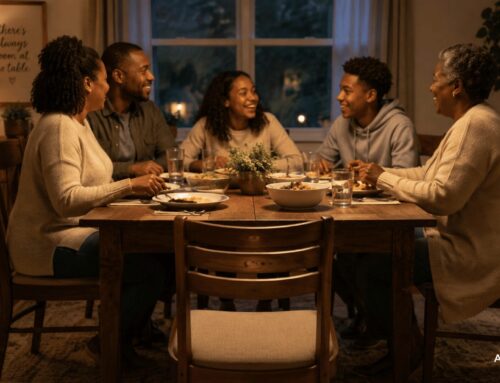
Mealtime was where this philosophy came to life most consistently.
When the boys were younger, I handled both the grocery shopping and the cooking. Later, their dad and I shared those responsibilities. But one rule never changed:
The cook didn’t do the dishes.
Almost without thinking, my plate would float off toward the kitchen in the hands of one helpful child or another.
Nobody announced it.
Nobody negotiated it.
Nobody waited to be asked.
Someone simply made a contribution.
That simple routine taught something much bigger than how to clear a table. It reinforced the idea that our home didn’t run because one person carried all the responsibility. It worked because everyone looked for ways to help carry it together.
That’s what healthy teams do.
Contribution looks different for everyone
Just as no two people on a work team contribute in exactly the same way, neither do family members.
One child may naturally notice what needs to be done. Another may need more direction. One enjoys cooking. Another likes organizing. One is dependable with routines. Another brings laughter that lifts everyone’s spirits after a hard day.
Not every contribution looks the same, and it shouldn’t.
The goal isn’t identical responsibilities. It’s shared responsibility.
This reminds me of what I wrote in my last article: healthy family leadership makes room for difference. We don’t all bring the same strengths to the table, but we all have something valuable to bring.
When we recognize that, contribution becomes less about checking off chores and more about discovering how each person can strengthen the family in their own way.
Contribution creates ownership
One of the greatest gifts we can give our children isn’t simply teaching them how to complete household tasks.
It’s helping them understand that they matter to the success of the team.
People care more deeply about what they help build.
When children contribute, they begin to see the home differently. It becomes more than the place where they eat and sleep. It becomes something they help create. They begin to understand that families aren’t groups of people living under the same roof. They’re teams working toward the same purpose.
And that’s a lesson they’ll carry far beyond childhood.
Long before they lead a project, a department, or an organization, they’ll learn what it means to be part of a team by participating in their very first one.
The family.
The family team
If we want our home team to be just as healthy as our work team, then we have to create opportunities for everyone to contribute.
Not because we need more help around the house.
But because contribution builds ownership.
Contribution builds confidence.
Contribution builds connection.
Most importantly, contribution reminds every member of the family, “What I bring matters.”
That’s the kind of culture strong family leaders create.
One where no one is expected to do everything.
One where everyone has something meaningful to give.
Because healthy families aren’t built by silent expectation.
They’re built by shared contribution.
Previous posts in this series:
From Me to We: Why Interdependence Makes Families Stronger
Before You Feel Seen, See Yourself: Why Self-Awareness Is the First Step to Belonging